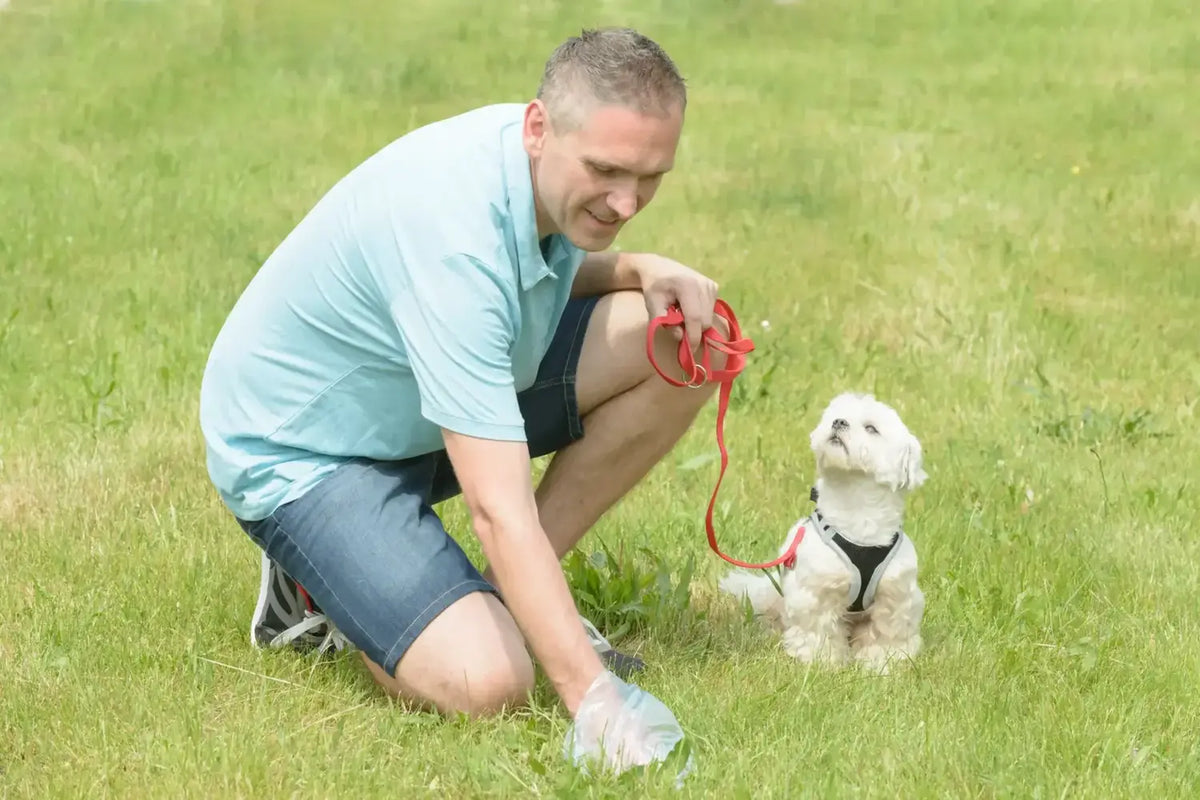


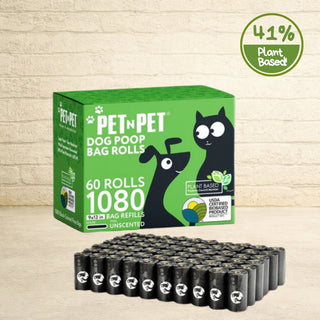
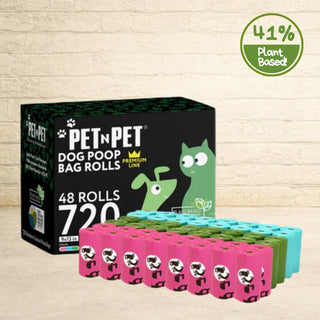
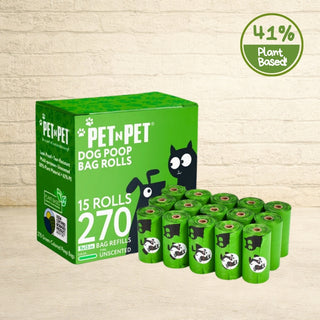
Every dog owner knows the routine: grab a bag, scoop the poop, and toss it away. But as millions of pet parents perform this daily chore, the environmental impact adds up. America’s roughly 83 million dogs produce over 10 million tons of waste each year, and disposing of it traditionally means using plastic bags that can linger in landfills or the environment for centuries. This has driven a growing interest in eco-friendly pet supplies like plant-based poop bags, which promise a greener way to handle our pups’ messes. In this article, we’ll dig into why plant-based poop bags are considered better, how they differ from regular plastic bags, and what to know about using and disposing of them properly.
The Environmental Toll of Traditional Poop Bags
Standard dog waste bags are usually made from petroleum-based plastics like polyethylene. These bags might be convenient, but they come with a high environmental cost. Once discarded, a typical plastic bag can take hundreds of years to break down, and even then, it only breaks into tiny microplastic pieces that persist in soil and water. Billions of these bags pile up in landfills or as litter, contributing to plastic pollution. It is estimated that single-use dog poop bags make up about 0.6% of all plastic waste worldwide. Because they are used once and thrown away, their environmental footprint is outsized relative to their brief useful life. Beyond the eyesore of discarded bags hanging from trails or washing up on beaches, there’s a real ecological threat: as plastic bags slowly degrade, they can release harmful substances and even greenhouse gases like methane in anaerobic landfill conditions.

What Are Plant-Based and Biodegradable Poop Bags?
Many pet owners are turning to alternatives to plastic poop bags to counter these issues. But Biodegradable pet waste bags are designed to break down more quickly than normal plastic. However, the term “biodegradable” on its own can be misleading. There’s no strict legal definition, so some products labeled biodegradable are still made mostly of plastic that simply disintegrates into microplastics. Truly compostable dog waste bags are a specific subset that meet established standards (like ASTM D6400 in the U.S.) for breaking down in composting conditions. These are typically made from natural plant-based materials such as cornstarch blends, rather than traditional plastic.
It’s important to note the relationship between these terms: all compostable bags are biodegradable, but not all biodegradable bags are compostable. Compostable bags are designed to turn into natural components within a compost environment, leaving no toxic residue. They often carry certifications and logos indicating they’ve passed compostability tests. By contrast, a “biodegradable” bag might simply be an additive-infused plastic that fractures over time without fully mineralizing. Plant-based poop bags generally refer to those made largely from renewable biological sources. Many compostable dog poop bags are plant-based, derived from materials like corn starch combined with biodegradable polyesters.
Benefits of Using Plant-Based Poop Bags
Adopting sustainable dog poop bags made from plant-based materials offers several environmental benefits. There’s a significant reduction in fossil fuel use. Plastic bags are essentially made of oil, and producing them gobbles up petroleum. By contrast, plant-based bags use renewable inputs. Switching to biobased bags can cut petroleum consumption dramatically. Biobased bags use 62% less petroleum than equivalent plastic bags. Over time, and across millions of bags, that represents a meaningful decrease in oil demand and associated carbon emissions.
Another benefit is the potential for these bags to break down more cleanly. Under the right conditions, compostable poo bags won’t leave behind the persistent microplastics that traditional plastics do. A properly certified compostable bag can biodegrade into organic matter, effectively “returning to nature.” Various biodegradable bags completely decompose within 90 days in an active composting environment. When compostable bags do break down as intended, they leave no long-lived plastic fragments. This means less risk of wildlife ingesting plastic and fewer microplastics contaminating soil and waterways. It’s a key reason advocates call them earth-friendly poop bags, as the end result is meant to be harmless humus, not everlasting litter.
Moreover, plant-based bags help reduce our reliance on non-renewable resources and often have a smaller carbon footprint. Producing resin from plants can be less energy-intensive than producing polyethylene from crude oil, especially if renewable energy is used. Many of these bags also carry additional green cred. Some are certified by programs like USDA’s BioPreferred, which indicates a verified biobased content. The Original Poop Bags brand offers USDA Certified Biobased options with high plant content. Using products with such certifications supports companies that are investing in more sustainable materials. Choosing eco dog poop bags made from plants means contributing to a cycle of renewable production. Plants grow and absorb CO₂, become useful bags, and ideally break down back into the soil.
Proper Disposal: How to Dispose of Compostable Dog Bags
Getting the environmental benefits depends on how you dispose of them. It’s critical to understand that compostable dog waste bags need the right conditions to break down. They are designed to degrade in industrial composting facilities or well-managed home composters. If they simply end up in a typical landfill, they won’t get sufficient oxygen or microbial action to decompose quickly. In an oxygen-starved landfill, even a “compostable” bag will behave much like a regular plastic one. It can remain intact for years and potentially release methane as it slowly breaks down. Consumers should not expect these bags to magically disappear if they’re just thrown in the trash.
So what is the best practice? Ideally, if your community offers a municipal composting program that accepts pet waste, you could toss used compostable bags in the green bin. Unfortunately, such programs are rare in the U.S. A few cities and dog parks have specialized composters for pet waste, and some private companies exist in certain areas. Barring access to those, the next best option is to throw the bag in the regular trash. It sounds counterintuitive, but even biodegradable poop bags should go to the trash unless you know they’ll be composted. This keeps them out of natural environments, where they would litter or degrade extremely slowly.

What about home composting? Do not try to compost dog waste in your regular backyard compost that you use for gardens. The issue is that dog feces can carry pathogens that aren’t reliably killed in a casual compost pile. Unless you maintain a dedicated pet waste compost that reaches a high temperature, it’s not safe to use that compost on food crops.
One more eco-friendly disposal method to mention is flushing. Surprising as it may sound, the U.S. Environmental Protection Agency actually endorses flushing dog poop as a safe disposal method. Municipal wastewater treatment will handle dog waste just as it handles human waste. Of course, carrying a scooper and transporting unbagged poop to your toilet isn’t practical on a walk. However, for waste picked up in your yard, it’s an option. Flushing isn’t feasible for everyone, but it’s worth knowing that, from an environmental standpoint, it’s effective. The main point is this: how to dispose of compostable dog bags is by either composting them properly or, if that’s not possible, bagging and tossing them in the trash. It might feel wrong to throw plastic-free dog bags into the garbage, but until composting facilities catch up, that is often the recommended course to contain the waste and protect the environment.
Other Alternatives to Consider
Many dog owners are exploring creative and practical alternatives that either extend the life of materials already in circulation or eliminate disposable bags altogether. Each option comes with tradeoffs in convenience, durability, and environmental impact.
- Repurpose Household Plastic Bags: One of the simplest strategies is to reuse plastic bags already in your home instead of purchasing new ones. Bread bags, produce sleeves, cereal liners, and newspaper wraps can all serve as secondary carriers for pet waste. This method does not eliminate plastic from landfills, but it does extend the lifecycle of materials that would otherwise be discarded immediately.
- Use Paper-Based Waste Bags: Because paper is biodegradable and compostable, it does not persist in the environment the way conventional plastic does. These products are especially suitable for short walks in urban areas where trash bins are readily available. They are less resilient in wet conditions and may struggle with softer messes. Choosing paper requires a bit more awareness of weather and handling limitations.
- Invest in a Dedicated Pooper Scooper System: For homeowners with private yards, skipping disposable bags altogether can be surprisingly practical. A durable pooper scooper or small shovel allows you to collect waste and deposit it into a designated pet waste digester or flush it safely down the toilet, where local regulations permit. Such a method significantly reduces reliance on single-use materials at home. While it is not ideal for neighborhood walks, it can meaningfully decrease overall bag consumption in daily routines.
- Install or Use a Pet Waste Digester: Installed in a backyard, they break down waste naturally through enzymes and bacteria, minimizing landfill contributions. This option requires an upfront investment and proper installation, yet it offers a long-term solution for environmentally conscious households.
It’s worth noting the role of eco-friendly dog products beyond just bags. Each alternative has its pros and cons in terms of convenience, cost, and eco-friendliness. The best approach for most people may be a mix: use biodegradable dog poop bags made in the USA when you need to, but also cut down on waste by reusing bags or flushing when possible. No matter which method you choose, the worst option is leaving the poop on the ground. Responsible cleanup is a must, and doing it with the planet in mind is the next step.
Choosing the Best Eco-Friendly Poop Bags for Your Needs
Not all “green” poop bags are created equal. If you’ve decided to make the switch to plant-based options, here are a few tips to find the best compostable dog poop bags and use them effectively. First, look for certifications and labels. Trustworthy products will clearly state if they carry a certification from BPI (Biodegradable Products Institute) or similar organizations. Also check for the USDA Certified Biobased label, which indicates what percentage of the product is made from renewable plant materials.
When evaluating options, consider the bag’s thickness and durability as well. One common complaint about early compostable bags was that they could be weaker or tear more easily than regular plastic. The good news is that many brands have improved their designs, often by combining plant starch with stronger biodegradable polymers to ensure durability. If you live in a rainy climate or will be carrying the waste for a while, opt for heavy-duty compostable bags that won’t start degrading too soon. Some ultra-thin compostable bags can begin to break down if kept in wet conditions for an extended time, but not a lot of fun if you’re still on the move. Reading reviews can help identify the best eco-friendly poop bags that balance strength and compostability.
Another factor is size. Make sure the bags are big enough for your dog’s business and compatible with your dispensers or bag holders. Many of the eco dog poop bags come in standard roll sizes that fit leash dispensers, so you don’t have to change your routine much at all.

Once you’ve found your preferred green bags, it’s wise to buy from a reputable source or straight from the company to avoid counterfeit products that might not live up to the eco-friendly claims. You can buy plant-based poop bags online easily to make sure you’re getting authentic, high-quality bags. By choosing a reliable brand and using the bags correctly, you’ll be making your dog’s daily doo-doo duty as planet-friendly as possible.
Sources:
- Brian Yurasits – Plastic dog poop bags on beach (Unsplash photo)
- Morro Bay National Estuary Program – Blog: Dog Poop Bags Breakdown
- Citizens Campaign for the Environment – Compostable vs. Biodegradable Bags (CT)
- Treehugger – Guide to Disposing of Dog Poop
- Dróżdż et al. 2022 – Biodegradable Dog Poop Bags Study (PMC)
- Cops On Doody – Why Use USDA Bio-Based Bags