


Source: shutterstock.com
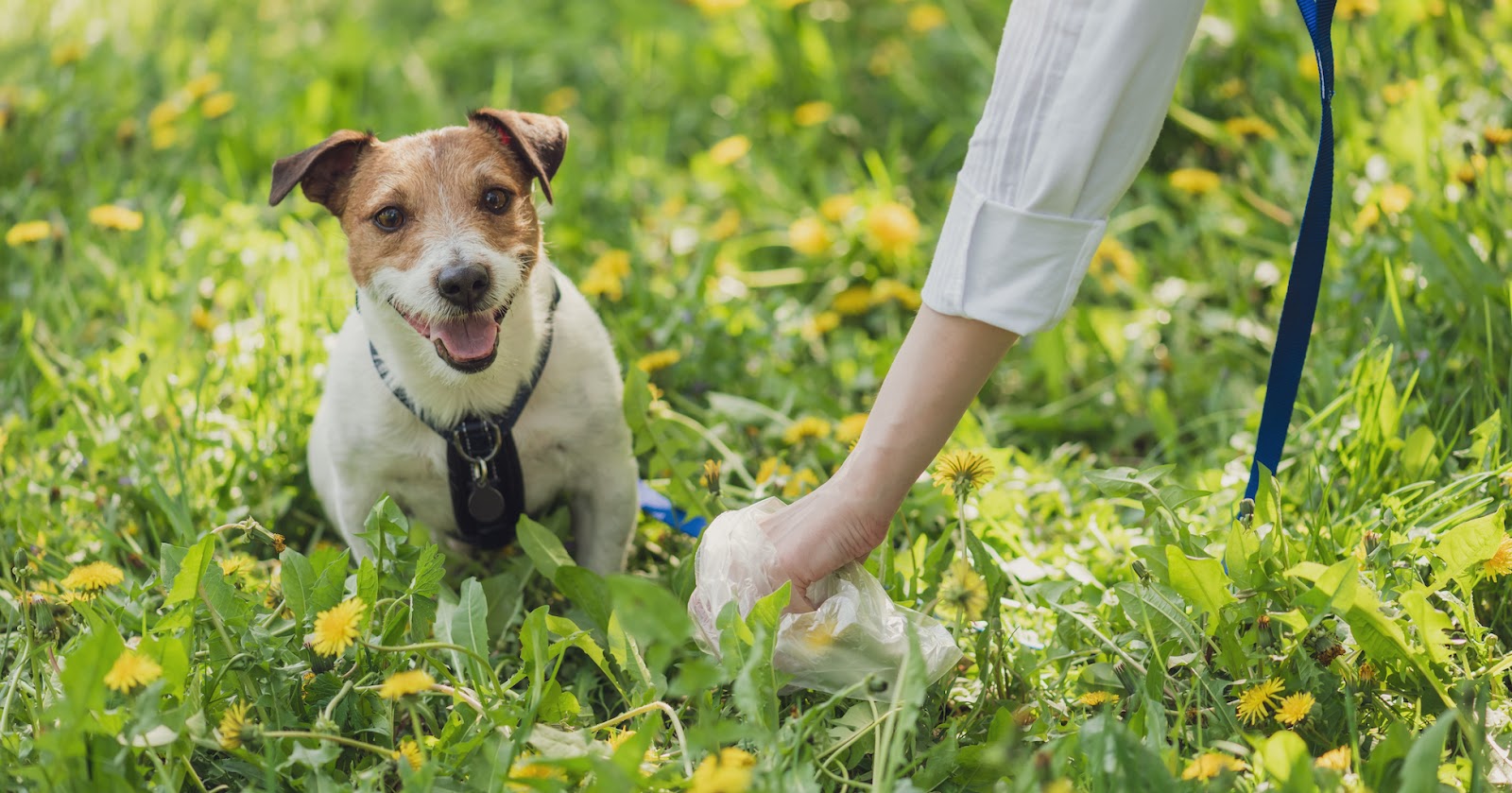
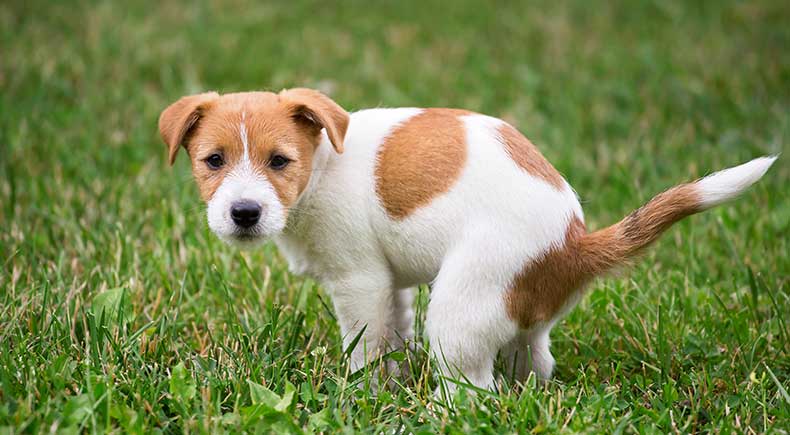
Our canine companions have a unique way of communicating with us, and sometimes, it's through their bathroom habits. If you've noticed that your furry friend is pooping more frequently than usual, you might be wondering what's causing this change. Excessive dog pooping can be a sign of various underlying issues, some of which are entirely benign, while others require immediate attention. In this blog post, we'll explore the common causes of excessive dog pooping to help you better understand your pet's health.
Dietary FactorsOne of the most common causes of excessive dog pooping is dietary factors. Changes in your dog's diet, such as introducing a new food or treats, can lead to an increase in bowel movements. Here are a few dietary factors to consider:
- Dietary Changes: A sudden shift from one brand or type of dog food to another can disrupt your dog's digestive system, resulting in more frequent pooping. It's essential to transition to new foods gradually.
- Overfeeding: Feeding your dog too much or giving them excessive treats can lead to increased stool production.
- Low-Quality Food: Poor-quality dog food with low nutritional value may pass through your dog's system quickly. Opt for high-quality, balanced dog food.
Source:shutterstock.com
[promo]
Gastrointestinal IssuesVarious gastrointestinal problems can cause excessive dog pooping. Some of these issues include:
- Gastroenteritis: This inflammation of the stomach and intestines can result from dietary indiscretion (eating something they shouldn't), infections, or allergies.
- Parasites: Intestinal parasites such as worms and giardia can lead to increased bowel movements.
- Food Allergies: Dogs can develop allergies to certain ingredients in their food, leading to gastrointestinal upset and frequent pooping.
Stress and AnxietyDogs are sensitive creatures, and stress or anxiety can manifest in various ways, including changes in bowel habits. Common stressors for dogs include:
- Environmental Changes: Moving to a new home, changes in the household, or the addition of a new pet can all cause stress.
- Separation Anxiety: Some dogs may experience gastrointestinal distress when left alone for extended periods.
- Loud Noises or Trauma: Thunderstorms, fireworks, or traumatic experiences can trigger stress-related bowel changes.
Source: freepik.com
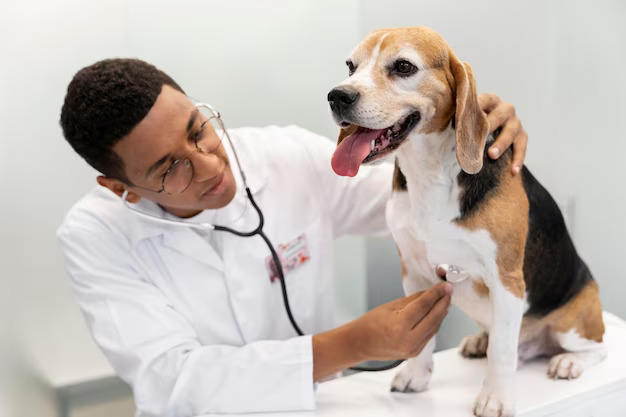
Medications and SupplementsIf your dog is on medication or supplements, these substances can sometimes affect their digestive system. Certain medications or supplements may lead to increased bowel movements as a side effect. Consult your veterinarian if you suspect this is the cause.
Excessive dog pooping can be concerning, but it's essential to remember that it's often a symptom rather than a standalone problem. Identifying the underlying cause is crucial to providing the right treatment and care for your furry friend.
If you're ever in doubt or if your dog's excessive pooping is accompanied by other concerning symptoms like lethargy, vomiting, or diarrhea, don't hesitate to consult your veterinarian. Understanding the common causes of excessive dog pooping is the first step in ensuring your pet's health and well-being.


